Why Your Coffee Table Matters More Than You Think (33+ Ideas to Prove It)
Disclosure : This post may contain affiliate links or paid partnerships. I may earn compensation if you click a link or make a purchase, at no additional cost to you. See my disclosure for more info.
It starts with a photo.
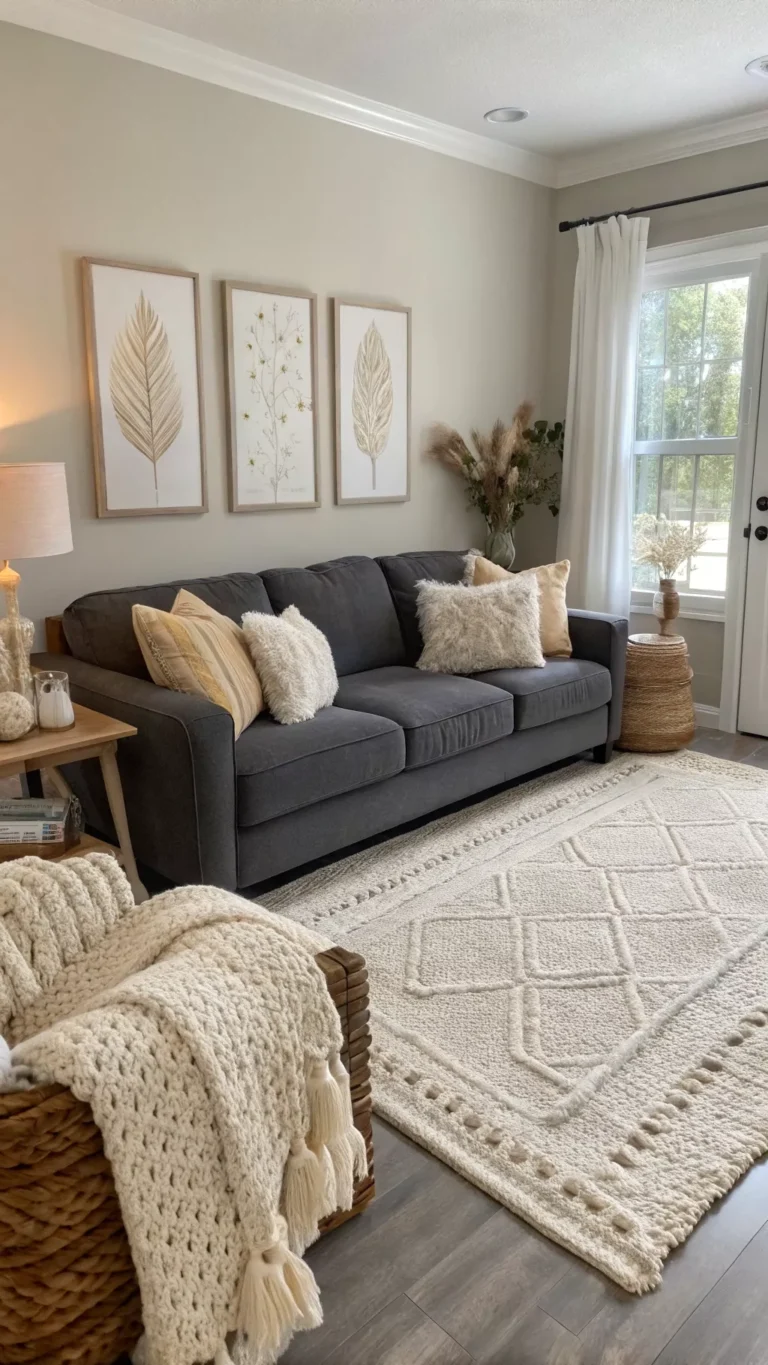
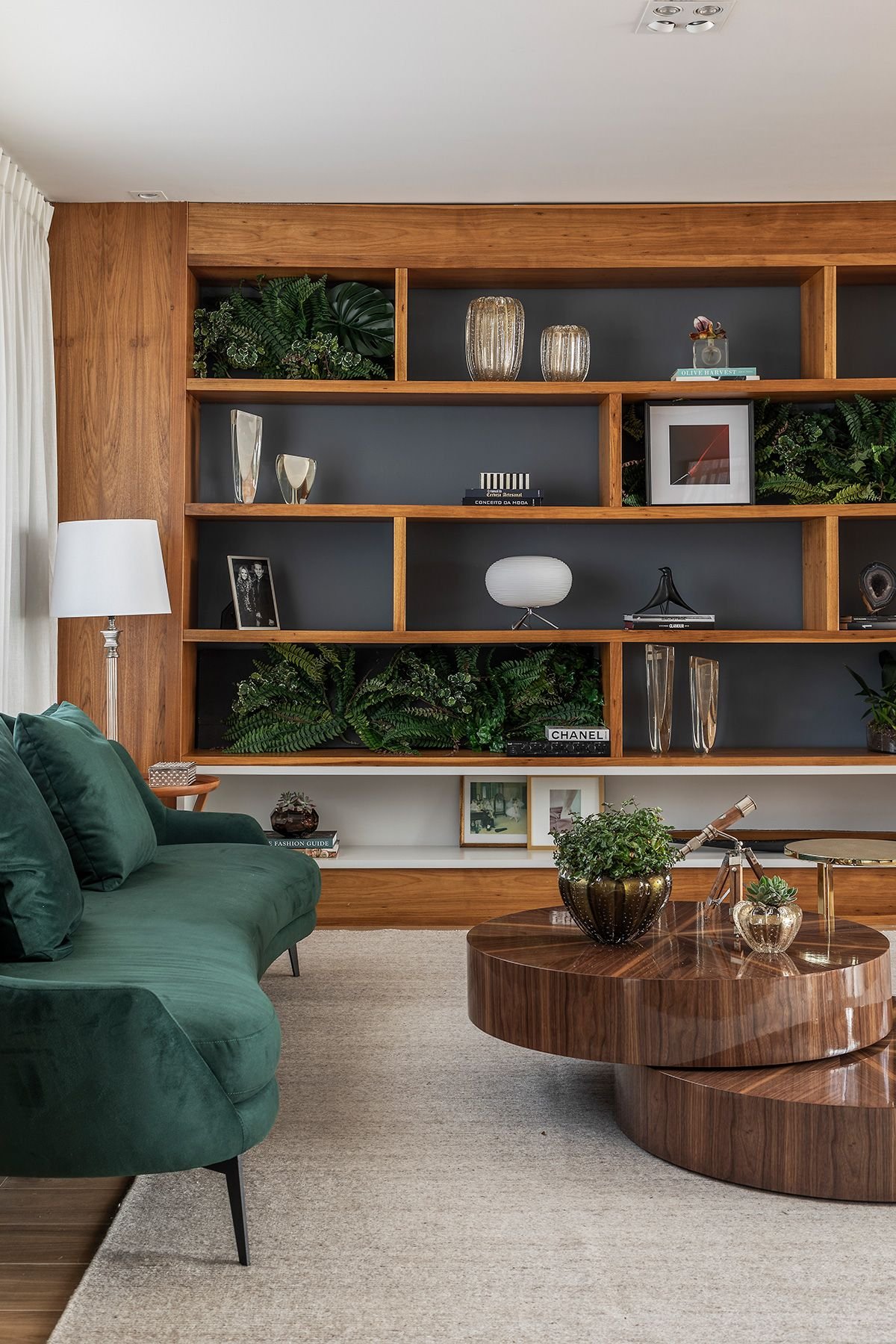
You see it in a magazine, on Pinterest, in a friend’s apartment. A living room that just works. Cohesive, warm, complete. Like every single choice was made with absolute certainty.
You start trying to figure out what makes it look that way.
Is it the sofa? The lighting? The color on the walls?
Usually, if you look long enough, you realize it is the coffee table.
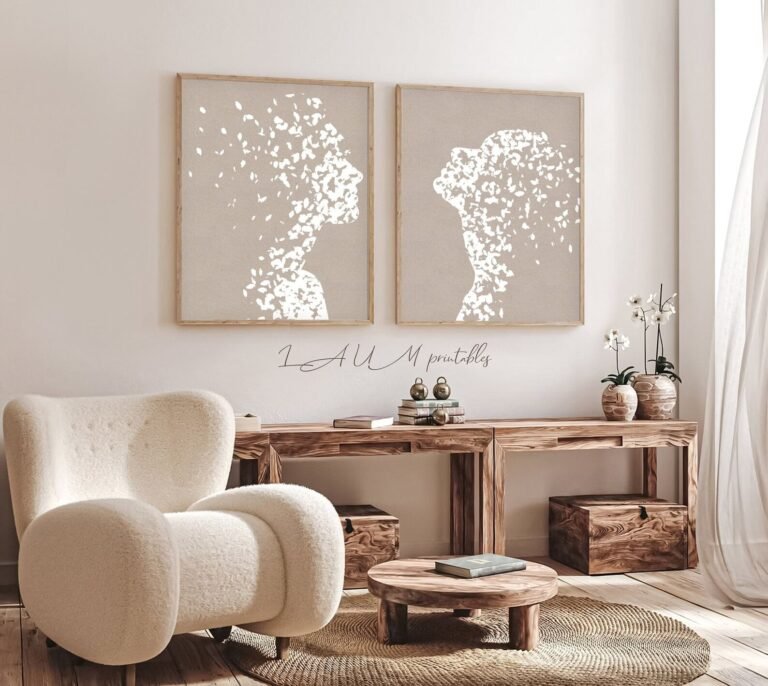
Not because it is the most dramatic piece in the room. But because it sits at the exact center, in reach of every seat, at the visual heart of the whole arrangement. Everything else orients around it. When it is right, you feel it. When it is wrong, you feel that too.
Here are more than 33 coffee table ideas organized to help you find the right one for your room, along with the techniques that turn a good choice into a great room.
The Styles That Have Always Worked and Always Will
Long before mood boards and Instagram aesthetics, certain coffee table designs were already getting things right. They are still getting things right today. These are the ones that have never needed a comeback because they never went away.
1. Solid wood rectangular table. Walnut, oak, teak—clean lines, honest material, no decoration for decoration’s sake. It is the foundational coffee table choice for a reason. Reliable, beautiful, lasting.
2. Round marble-top table. Stone on metal. The round shape softens a room’s edges. The material announces quality without being loud about it. A Carrara top on a brass base is one of those combinations that simply never looks wrong.
3. Mid-century modern table. The tapered legs and restrained geometry of mid-century modern design arrived in the 1950s and have never actually left. That kind of longevity comes from proportions that are genuinely, fundamentally correct.
4. Oval tulip-base table. One graceful pedestal, a soft oval or round top, no legs to navigate around. It is both practical and quietly sculptural—especially beautiful beside a curved sectional.
5. Parsons-style coffee table. The Parsons table was designed as a lesson in restraint: let the material speak, eliminate everything else. That principle produces furniture that adapts to any room and improves with age.
6. Traditional turned-leg table. For homes built around warmth and heritage—warm neutrals, linen and wool, a few carefully chosen antiques—a turned-leg table with a rich wood stain feels like it has always been there, because it belongs.
Tables That Tell a Story
The most interesting rooms have at least one piece that makes you stop and look.
Not because it is loud or flashy. Because it has a point of view. Because it makes a choice that a lesser room would not have made.
These tables make that choice.
7. Live-edge wood slab table. The slab is cut to follow the tree’s natural boundary rather than a saw blade’s straight line. The result is something that could not have been designed—only revealed. Genuinely singular.
8. Hammered brass drum table. The hammered texture does something interesting with light. It catches it, breaks it up, scatters it warmly across the room. On a dark winter evening, this table does something a painted surface simply cannot.
9. Black concrete table. Cast concrete is honest about what it is. Dense, cool, permanent-feeling. In the right room it reads as architectural. In the wrong room it just reads as heavy.
10. Sculptural travertine table. Travertine was formed by mineral-rich water over millennia. The pits and tonal variations in its surface are that geological history, made visible. Each piece is fundamentally unrepeatable.
11. Bold lacquered color table. Color is a statement. A glossy emerald or deep navy table in a room of neutrals does not compete—it completes. One deliberate choice that changes the room’s entire identity.
12. Vintage steamer trunk. Every mark on an old trunk is a record of where it has been. Repurposed as a coffee table, it brings genuine history into the room, plus hidden storage that no one expects.
Coffee Tables That Solve Real Problems
Here is a truth that beautiful living room photos tend to conceal.
People actually live in living rooms. Snacks get eaten, blankets get used, things get set down on surfaces and then forgotten.
A coffee table that handles the reality of daily life is more valuable than one that only looks good in photographs.
13. Lift-top coffee table. The moment you realize you can raise the surface to desk height and discover a deep hidden compartment underneath, the rest of your coffee table options start to look inadequate. For anyone who uses the sofa as a workspace, this is a revelation.
14. Coffee table with drawers. The drawer is one of furniture’s greatest inventions: a place for things to go that is completely out of sight but immediately retrievable. Remote controls, reading glasses, pens—they all have a home now.
15. Open-shelf coffee table. The lower shelf is underrated. Books, a basket for throw blankets, a trailing plant—the shelf gives them a designated home while keeping the tabletop free and clean.
16. Basket coffee table. There is something deeply satisfying about a solution that is both practical and beautiful. A large woven basket with a flat lid looks like a considered design choice and hides a remarkable amount of stuff inside.
17. Ottoman with a tray on top. If there is one piece of furniture that works the hardest in a living room, it is a well-designed storage ottoman. Rest your feet. Store things inside. Keep a tray on top. Three jobs done without any extra footprint.
18. Apothecary-style table with small drawers. The satisfaction of a dedicated drawer for every small thing that used to just end up everywhere is difficult to overstate until you have experienced it.
When Space Is Limited But Style Is Not
Small spaces have a reputation for making compromise inevitable.
It is not true. The best small rooms are often more interesting than large ones because every choice was made deliberately. These coffee tables were chosen with that in mind.
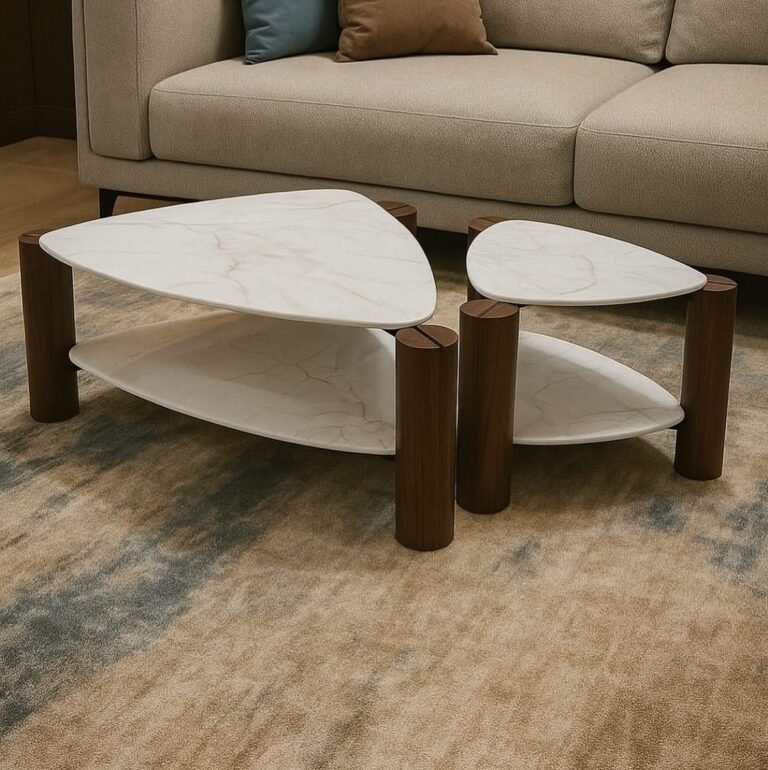
19. Nesting tables. Tucked together they take almost no space. Pulled apart they provide as much surface area as you need, exactly when you need it. The thinking person’s solution to a constrained living room.
20. Narrow oval coffee table. The slim profile means the room can breathe. The rounded ends mean no caught clothing and no painful shin corners. Full function, minimal intrusion.
21. Acrylic or lucite table. The table is essentially transparent. Its presence is felt rather than seen. A room that feels tight with a conventional table suddenly feels open with this one. The effect is genuinely surprising the first time you experience it.
22. C-shaped slide-under table. It occupies no floor space at all—it slides beneath the sofa arm or cushion overhang. For studio apartments and tightly configured rooms, this piece is a minor revelation.
23. A slim console used as a coffee table. Convention says a coffee table should be a specific type of furniture. This says otherwise. A narrow console positioned in front of the sofa provides surface, serves the purpose, and takes up a fraction of the floor space.
The Materials That Make People Stop and Ask
You know that moment in conversation when someone breaks off mid-sentence to ask about something in the room?
It is almost always about the material.
These are the ones that provoke that reaction.
24. Petrified wood. Millions of years in the ground, slow mineral replacement of every organic cell, and then this—a tabletop with the grain of a tree and the weight and permanence of stone. People will always reach out and touch it. They cannot help it.
25. Terrazzo. The recipe is ancient: take beautiful fragments, suspend them in a matrix, polish the surface until it glows. Each piece of terrazzo is a small, composed work of art that you happen to rest your coffee cup on.
26. Rattan or woven cane. There is something about woven natural material that slows a room down in the best way. It adds texture, warmth, and a suggestion of ease that heavier materials rarely achieve.
27. Smoked glass with blackened steel. The combination of dark tinted glass and blackened steel produces a surface that is moody, precise, and quietly commanding. In the right room it feels like punctuation.
28. Hand-poured resin. Resin captures movement in solid form—swirling color, the suggestion of water or stone or sky. Every casting is different. Every one is a conversation waiting to happen.
29. Ceramic or hand-plastered. The fingerprints of the maker are still in the surface, subtly but unmistakably. That is what separates hand-finished work from manufactured goods—evidence of a human being who made a series of decisions by feel.
Thinking Outside the Rectangular Box
The conventional coffee table setup—one rectangular piece, centered in front of the sofa—is a convention, not a law.
And like most conventions, it is worth questioning.
30. Two matching side tables pushed together. When you need one large surface, they are one large surface. When you need flexibility—for guests, for rearranging, for life—they separate effortlessly into two independent pieces.
31. A cluster of three small stools. Grouped at the center they read as a coffee table arrangement. Dispersed around the room they become extra seating. One investment, two distinct functions.
32. A thick butcher block slab on hairpin legs. There is real satisfaction in building your own furniture. This project delivers it at a cost that undercuts most ready-made options while producing something that looks completely custom.
33. A garden stool as a mini coffee table. A ceramic garden stool brought indoors is one of those small design moves that makes you wonder why it is not more common. Inexpensive, beautiful, available in dozens of glazed finishes, and perfectly at home beside a low seat.
Finishing the Look: Coffee Table Styling Done Right
There is a particular frustration that happens when a room has all the right elements and still does not look finished.
Usually it is not the furniture that is the problem. It is what is—or is not—on top of it.
Styling is the final step, and it is not as mysterious as it seems.
A tray creates order from chaos. Put a decorative tray on the table and everything changes. The tray is a frame. Objects inside it look like they were placed there. Objects outside look like they were abandoned. The distinction is immediate.
Three objects at different heights. This is the composition principle that designers use most consistently. Odd numbers create visual tension. Three heights create movement. A candle, a small plant, a stack of large books—done.
Bring something alive into the arrangement. A vase with a single stem, a small succulent, dried botanicals. Something organic does what no manufactured object can—it makes the surface feel inhabited, not installed.
Books are not just books. Two oversized books stacked flat make a platform. A small object placed on top creates a composition with depth and height variation that a single-level arrangement cannot achieve.
The value of empty space. Negative space on a coffee table is not neglect. It is the visual pause that lets each object register clearly. Overcrowded tables look like they are waiting to be tidied. Tables with breathing room look like they were designed.
Why Getting the Size Wrong Costs You More Than Money
Here is what happens when the proportions are wrong.
The room never quite settles. You cannot identify why, but something always feels slightly off. Guests notice it without being able to name it. You end up thinking you need a different sofa, or a different rug, or more lighting—when what you actually needed was a coffee table in the right size.
Height. The table surface should meet the sofa cushion height or fall one to two inches below. A table that rises above the cushions throws off the entire visual balance of the seating area.
Length. Two-thirds of the sofa’s length is the reliable target. Below that threshold the table looks stranded. Above it the table starts to dominate the arrangement it was meant to serve.
Clearance. Between 14 and 18 inches between the table edge and the sofa front. Within that range you can move freely and reach your drink without contorting. Outside it in either direction, something is always slightly wrong.
Shape. Sectionals have an interior corner that a round or square table naturally fills. Linear sofas read better alongside rectangular or oval tables that echo their own directionality.
And one final thought that matters more than people expect:
Mismatched tables make a room feel more real. A wood coffee table with metal side tables, a travertine coffee table with rattan side tables—the intentional contrast creates depth that a perfectly matched set cannot. The room looks designed, not purchased.
The Truth About Coffee Table Budgets
The furniture industry benefits from the belief that price equals quality equals outcome.
The belief is convenient but incorrect.
A fifty-dollar thrift store table with the right proportions and ten minutes of thoughtful styling will look more at home in a well-considered room than a thousand-dollar table that was chosen without understanding what the room actually needs.
Outcome follows fit, not price. The four things that determine fit are: correct dimensions relative to the sofa, a material suited to the actual use patterns of the household, a shape that works within the room’s furniture layout, and a style that belongs to the room’s existing character. When those four things are right, the room works. When they are wrong, no price tag compensates.
The Room You Walk Into Every Day
You have spent time in this guide. You know the options, the rules, the principles. You have what you need.
Here is the last thing worth saying.
Your living room is the room you walk into every day. It sets the tone for evenings, for weekends, for the hours you are not somewhere else. It deserves to feel like it was made for you, not assembled under the pressure of budget and convenience.
One good decision—the right coffee table, the right size, styled with a little intention—can change how the whole room feels. Not because of magic. Because that is the piece everything else has been waiting for.
Find it. Bring it home. See what the room becomes.