Sectional Living Room Ideas That Actually Make the Room Work
Disclosure : This post may contain affiliate links or paid partnerships. I may earn compensation if you click a link or make a purchase, at no additional cost to you. See my disclosure for more info.
Let’s have the honest conversation.
You’re not fully satisfied with your living room, and you can’t pinpoint why. The sectional is there. The furniture is there. But the room itself feels like a draft rather than a finished design.
You’ve collected inspiration by the hundreds. Rooms that look calm, confident, pulled together. Then your own room.
The contrast is frustrating.
And the solution isn’t what you might expect.
It’s not a new sofa. It’s not a bigger budget. And it’s not more square footage.
It’s the specific choices surrounding your sectional — how you position it, what you put near it, and how the layers accumulate — that determine whether the room reads as accidental or considered.
We’re going to work through every one of those choices right now.
Why Everything in the Room Answers to the Sectional
Here’s the principle everything else builds on.
The sectional is the single most influential piece in your living room. Its scale, position, and styling set the tone for everything around it.
Every accessory, every lighting decision, every rug choice — all of it responds to the sofa.
Style it with intention, and the entire room benefits.
Style it carelessly, and no number of stylish throw pillows will compensate for the misalignment.
Arrangement Ideas for Rooms That Don’t Quite Work
1. Pull It Away From the Wall
Pushing a sectional against the wall is the most predictable and most damaging layout mistake. The result is a room that feels like a corridor waiting area.
Move the sofa forward by 8 to 12 inches. The room gains perceived depth and feels meaningfully larger without any structural change.
2. Put the L to Work as a Room Separator
An L-shaped sectional is a natural architectural divider. Use the longer section to define the boundary between your seating zone and an adjacent space — dining room, kitchen, or entry.
The furniture creates the zones. No walls required.
3. Aim It at What the Room Is Built Around
Fireplace, television, or a window with a view — your sectional should be oriented toward whatever serves as the room’s focal anchor.
The habitual tendency is to face seating toward the entrance. You’re not designing for arrivals. You’re designing for living.
4. Break the Symmetry in a Square Room
A perfectly square room with straight furniture placement feels predictable and dull.
Setting the sectional at an angle disrupts that rigidity and creates a sense of movement and personality that parallel placement never achieves.
5. Create a Cozy Corner in an Open-Plan Space
Open-plan rooms often feel unresolved because nothing defines the seating area. Positioning the sectional in a corner immediately creates that definition.
Add a round coffee table and you’ve built a warm, intentional gathering spot carved out of a wide open floor.
Strategies for Living Rooms That Are on the Smaller Side
6. Go With a Reversible Configuration
Under 250 square feet, a reversible chaise sectional is a genuinely smart purchase. The ability to flip and reconfigure means the room can adapt as your needs evolve.
In small spaces, adaptability is as valuable as square footage.
7. Remove One Arm to Expand the Sightlines
An armless end on the sectional allows the eye to travel further across the room. The absence of that vertical visual barrier makes everything read as more open and unconfined.
Interior designers apply this principle constantly, and for good reason.
8. Elevate It on Legs Rather Than a Skirt
Exposed sofa legs create a continuous visual plane at floor level. That unbroken line of floor area makes the room feel more spacious than it truly is.
9. Align the Sofa Color With the Wall Tone
A sectional that closely matches the wall behind it dissolves into the backdrop. In a small room, removing that source of visual competition makes the space feel calmer and bigger.
Warm off-white sofa against warm off-white walls — the room immediately relaxes.
10. Ditch the Oversized Coffee Table
A large coffee table in front of a sectional in a compact room creates congestion that makes everyday movement frustrating.
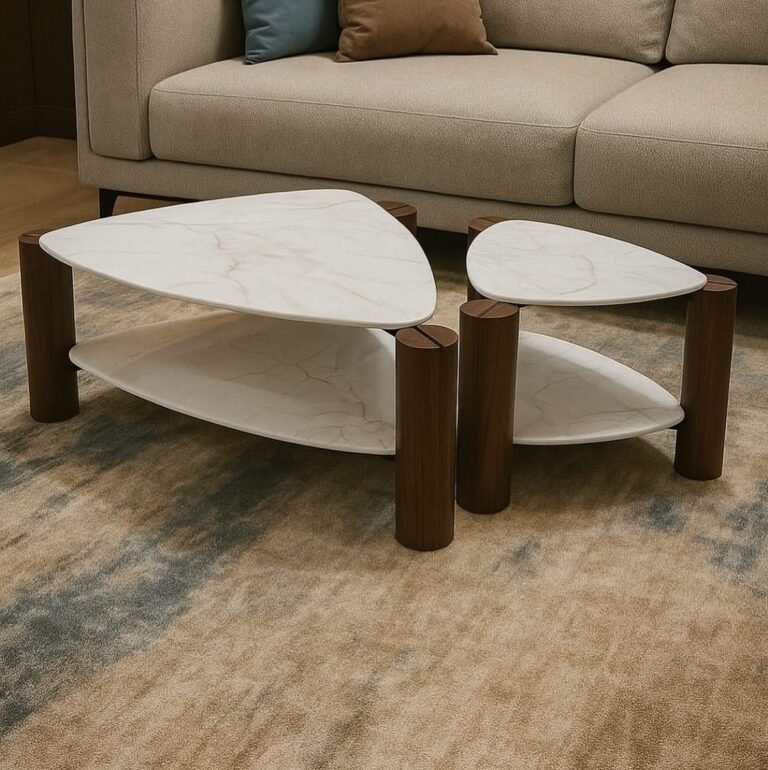
Nesting tables or low-profile C-tables provide the surfaces you need without consuming the floor space you can’t spare.
Styling Choices That Pull the Whole Room Together
11. Size the Rug to Match the Sectional’s Scale
Your rug needs to be large enough so all the front legs of the sectional sit on it.
A rug that’s too small under a large sofa is one of the fastest ways to undermine a room’s design. It signals carelessness.
12. Always Arrange Pillows in Odd Numbers
Three or five cushions. Never an even count.
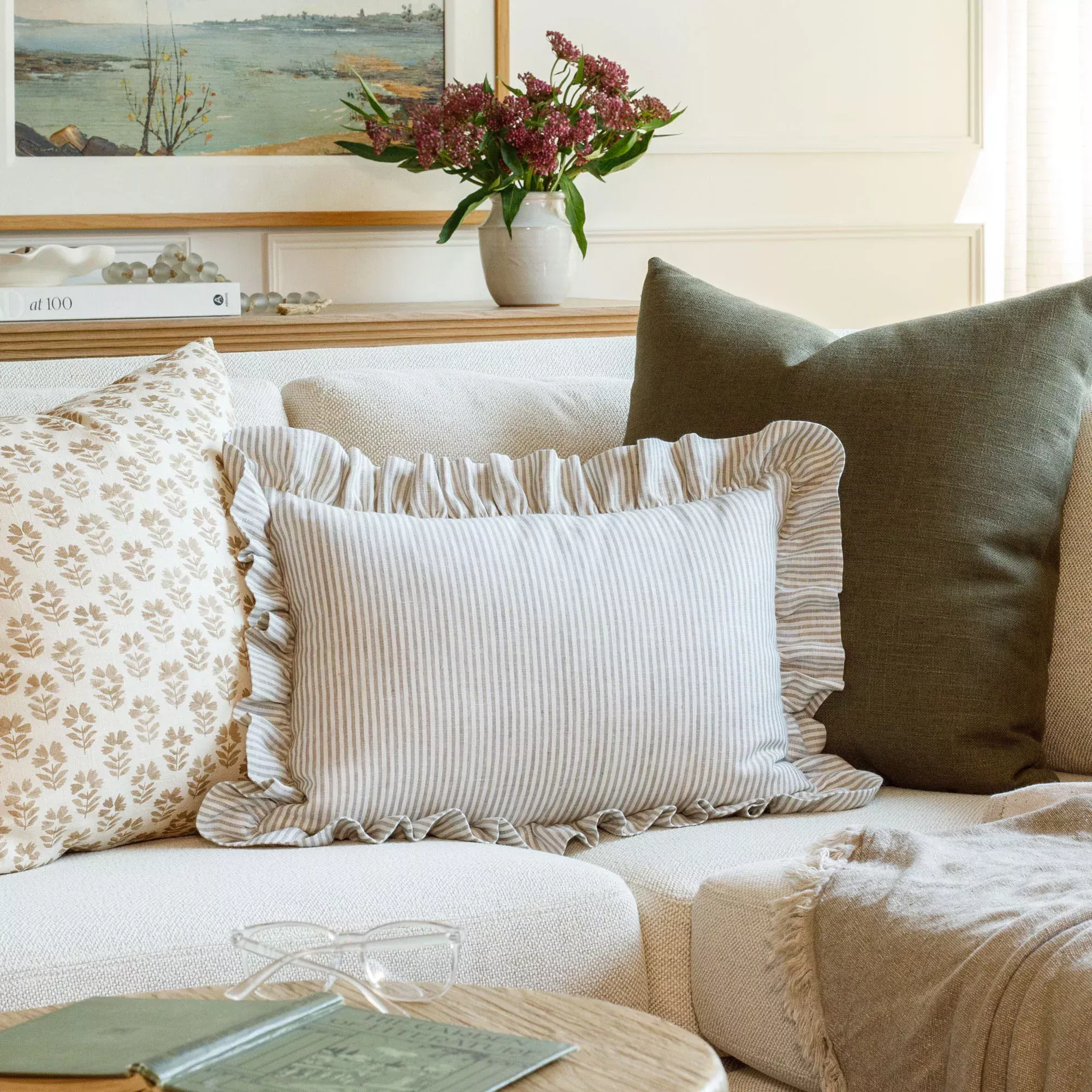
Odd groupings generate visual energy. Combine a velvet, a natural texture, and a patterned pillow within a unified palette and the sofa looks thoughtfully assembled.
13. Bring Warmth to the Chaise With a Throw
The chaise end of a sectional frequently looks bare by comparison to the rest of the sofa. A chunky knit or woven throw laid across it balances the composition and adds texture and invitation.
14. Position a Lamp in the Sectional’s Corner
The inner corner where the two sectional sections meet is a natural spot for an arc lamp or a statement tall sculptural fixture.
It occupies the vertical plane, provides layered ambient light, and anchors the seating area with a clearly styled focal element.
15. Anchor Your Art to the Sofa
Art hung above a sectional should sit 6 to 8 inches above the back of the sofa — not halfway to the ceiling.
Art that drifts too high disconnects from the furniture below it. The room reads as two separate halves instead of one cohesive composition.
Ground the art and the room reads as whole.
Thoughtful Fabric and Color Decisions That Last
16. Commit to a Deep, Saturated Shade
A sectional in deep emerald, navy, or oxblood becomes the defining statement of the room.
Set it against restrained neutral walls with warm metallic accents and the result is a room that reads as curated and deliberately styled.
17. Performance Fabric Is Practical Design Intelligence
It doesn’t generate excitement in the moment. But it prevents heartbreak later.
Performance fabrics like Crypton and Sunbrella look indistinguishable from standard upholstery. They perform at a completely different level when real life happens.
They’re built for homes, not showrooms.
18. Pale Sofa Plus Bold Cushions Equals a Modern Classic
A light-colored sectional is entirely livable with performance fabric and the right cushion strategy. Go high-contrast with your throw pillows — charcoal, black, or deep navy — and the result is crisp and contemporary.
19. A Slipcovered Sectional Offers Endless Flexibility
Slipcovers let you update the sectional’s look as often as you like. Light and airy for spring and summer. Rich and textured for autumn and winter.
Multiple aesthetics from one piece of furniture. One investment that keeps delivering.
Configurations That Work for Real Life and Entertaining
20. Close the Open End With an Accent Chair
A statement chair at the open side of the L-shaped sectional closes the arrangement into a U-shape conversation area.
Every seat faces the center. The conversation becomes natural and flowing. No one is left on the periphery.
21. Use an Ottoman Instead of More Sofa
An ottoman at the open end of the sectional beats adding more sofa for sheer versatility. Footrest, extra seat, or — with a tray — a fully functional occasional table.
22. Define the Back of the Sofa With a Console
The gap between a floating sectional and the wall tends to look like an unresolved oversight.
A slim console table gives it a reason to exist. Add lamps and a plant and the back edge of the sectional becomes a styled feature rather than dead space.
23. Mirror the Arrangement With a Second Sectional Piece
In generous rooms, two smaller sectional configurations facing each other across a coffee table create a symmetrical, welcoming layout that feels ideally suited to gathering.
The Small Decisions That Make the Biggest Difference
24. Add Curves to Balance the Straight Lines
The geometry of a sectional is almost entirely linear.
A round or oval coffee table placed in front introduces the counterbalancing curves the room needs. It’s a timeless design principle for a reason.
25. Put a Tall Plant at the Sectional’s End
A fiddle-leaf fig or birds-of-paradise at one end of the sofa adds organic height, living color, and a softness to the corner that no furniture can replicate.
26. Mount a Picture Ledge for Art You Can Actually Change
A picture ledge above the sectional lets you update, rotate, and layer wall art freely — no tools, no permanent holes, no commitment anxiety.
The wall stays personal and evolving rather than static.
27. The Chaise End Needs a Surface
Everyone puts a side table at the arm end. Almost no one puts one at the chaise end.
A petite round table there gives you a surface when you’re actually lying down — addressing a real, everyday frustration that most sectional owners have simply accepted.
28. Light the Room in Layers Across Three Heights
One floor lamp. One table lamp on the console behind the sofa. A pendant or ambient ceiling source above.
Layered lighting creates depth, atmosphere, and warmth. A single ceiling light produces flatness regardless of how attractive the fixture is.
Add the layers and the room is transformed by the time the sun goes down.
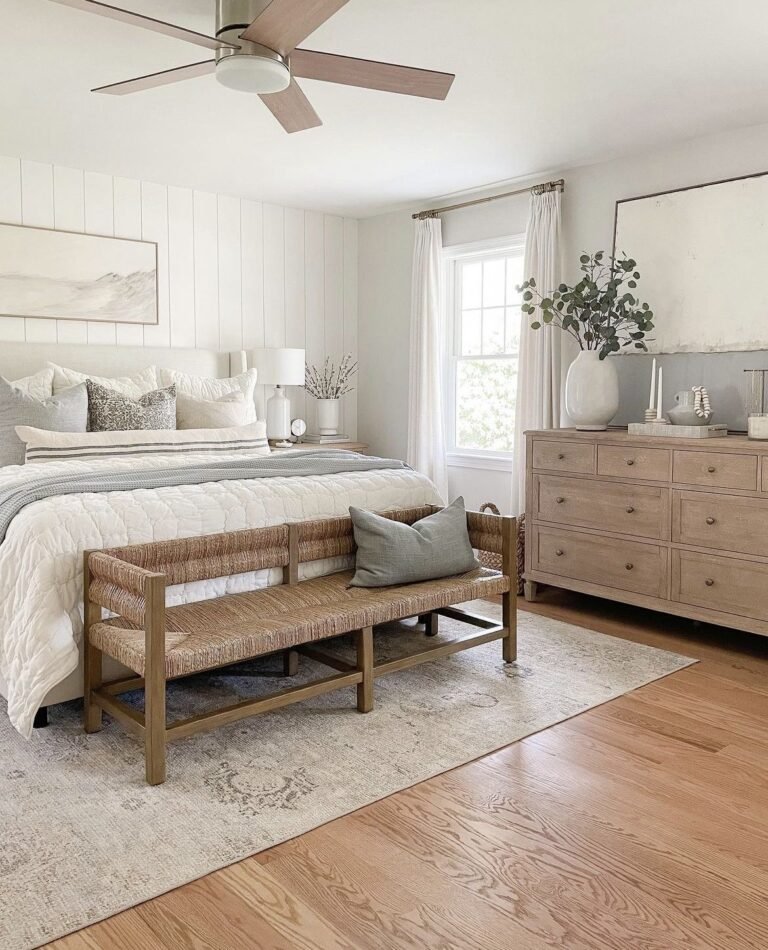
29. Use a Bench to Give the Arrangement a Clear Edge
In a larger room, a long upholstered bench placed a short distance from the sectional draws a clear visual perimeter around the seating zone.
It adds natural overflow seating for guests and signals that the arrangement was thought through rather than assembled by chance.
The Next Move Is Yours
You’ve just gone through a comprehensive, grounded set of ideas for every challenge that sectional living rooms tend to present — from awkward placement to flat styling to missed opportunities in the details.
Save this page where you can find it.
The next time you’re standing in your living room with that familiar, frustrating feeling, you’ll have a clear answer for what’s actually wrong and what to do about it.
The difference between a room that bothers you and one that genuinely excites you isn’t measured in dollars.
It’s measured in thoughtful decisions.
You now have a full set of those to work with.