Better Sleep Starts With Better Light: 12+ Bedroom Lighting Tips That Deliver
Disclosure : This post may contain affiliate links or paid partnerships. I may earn compensation if you click a link or make a purchase, at no additional cost to you. See my disclosure for more info.
You’ve done everything right.
No screens an hour before bed. No caffeine after two. A consistent sleep schedule.
And yet — you lie down and the room still doesn’t feel ready for sleep. There’s a residual alertness, a low-grade stimulation that keeps you waiting for rest instead of sliding into it.
Here’s what’s likely happening: your bedroom’s lighting environment is still signaling active time to your brain, even after the main light is out.
Lighting shapes the body’s evening wind-down process in measurable ways. Most bedrooms, built around single overhead fixtures, are designed to stimulate rather than soothe.
These 12+ ambient lighting strategies will help you build a bedroom that actively supports the rest you’ve been working toward.
What Your Bedroom Lighting Is Doing to Your Sleep
Notice how certain spaces make you feel instantly at ease — certain restaurants, certain hotel lobbies. Before anything else registers, those spaces have already begun to work on you.
That’s not ambiance in some vague sense. That’s deliberate lighting choices affecting your nervous system in real time.
Bright cool light activates alertness pathways. It’s why harsh overhead lighting keeps you mentally on. Warm, soft, ambient lighting — diffused across multiple low-level sources — helps the body begin its natural transition toward rest.
Your bedroom’s lighting environment is either working with that process or against it. These tips ensure it works with it.
1. One Overhead Light Is Working Against Your Wind-Down
A single ceiling light is the bedroom equivalent of leaving the office fluorescents on while you’re trying to decompress.
High-intensity overhead illumination activates rather than calms. It creates the bright shadowless environment your brain associates with daytime activity.
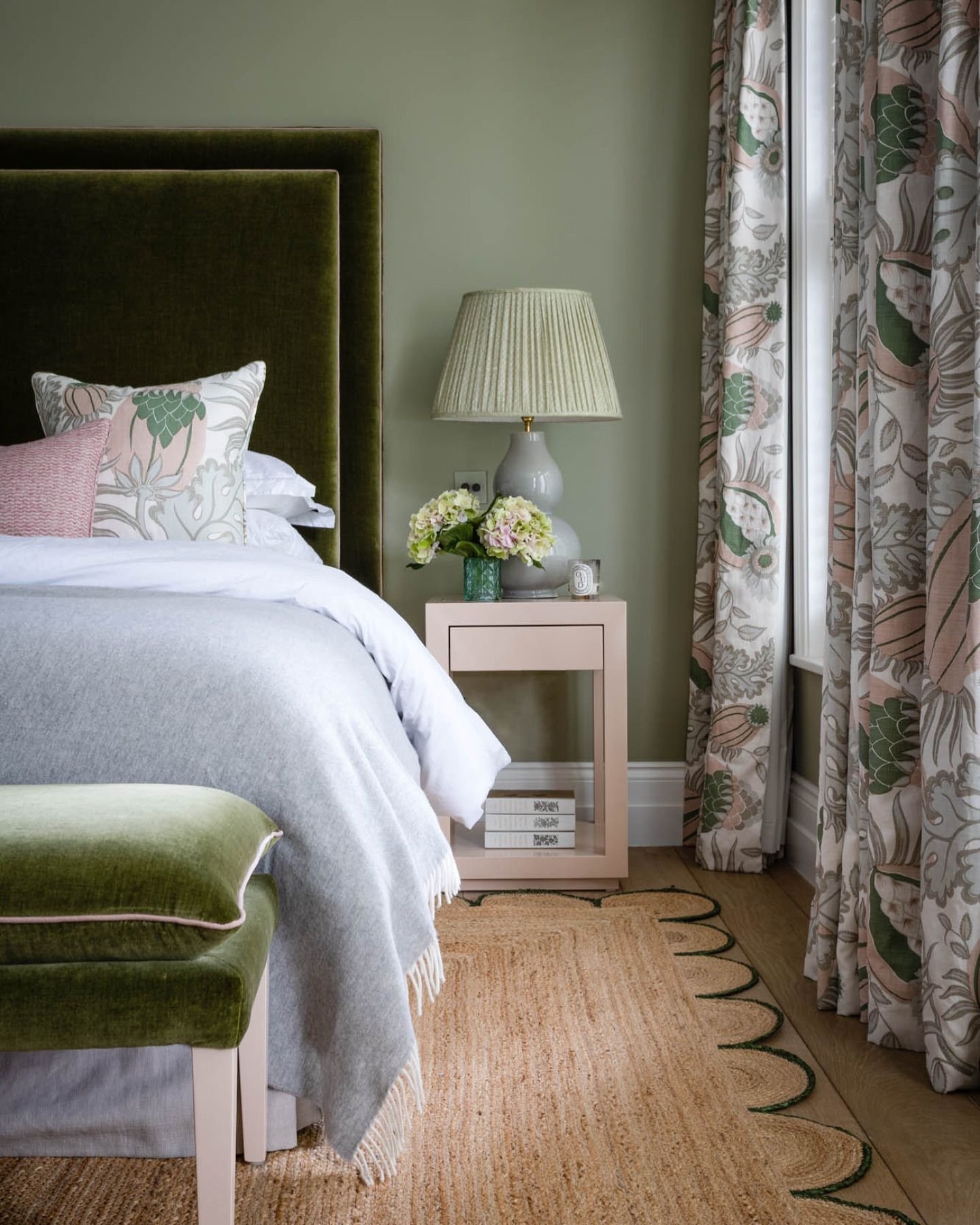
Replace this with layered lower-level sources. A bedside lamp at nightstand height, a wall sconce at eye level, a floor lamp in a corner providing soft upward light.
Lower-positioned, warmer sources create the environmental signal your body is waiting for: it’s time to wind down.
2. Color Temperature Has a Direct Impact on Evening Rest
Blue-spectrum light (4000K and above) affects melatonin production — keeping you alert when you should be winding down. Warm-spectrum light (2700K–3000K) doesn’t carry this effect.
It sits in the amber-orange range associated with fire and candlelight — light sources humans have wound down beside for thousands of years.
For your bedroom, this is the only range worth considering. Not for aesthetic reasons alone — but because the light you’re surrounded by in the hour before sleep actively influences the quality of the sleep that follows.
Check the Kelvin number on every bulb before you buy it. This detail is worth ten other purchases combined.
3. A Dimmer Switch Is Your Evening Routine’s Best Tool
One of the most effective things you can do to support natural sleep onset is gradually reduce light intensity in the hour before bed.
A dimmer switch makes this simple. Bring the light level down as your evening progresses. By the time you’re ready to sleep, the room is already dim — and your body has been receiving wind-down signals for the past hour.
This isn’t a design tip. It’s a practical sleep support tool in the form of a light switch.
Hardwired or plug-in. Either option pays for itself in the first week.
4. Indirect Headboard Lighting Supports a Relaxed Bedroom Environment
Indirect light is particularly effective in bedrooms because it creates warmth without intensity.
A strip of warm-toned LED lights placed behind the headboard produces an indirect glow that fills the space with amber warmth. You never look directly at the source — just its soft effect on the wall.
This type of hidden low-level illumination is ideal for the pre-sleep period. Warm enough to be pleasant, diffuse enough to be non-stimulating.
Self-adhesive strips. Plug-in power. A 15-minute setup that becomes a nightly sleep support.
5. The Nightstand Lamp Swap That Supports Your Wind-Down
The light closest to you in the pre-sleep period matters the most.
A Himalayan salt lamp on the nightstand emits naturally ultra-low orange-amber light — the kind that creates no visual stimulation and carries no blue-spectrum interference.
As an evening reading light or gentle night light, it’s one of the most sleep-compatible sources available. Leave it on as your other lights dim for a genuinely calming final layer of warmth.
6. Softer Lampshades for a Gentler Evening Environment
Even a warm-toned bulb can be undermined by the wrong shade.
Translucent or very light shades project light with minimal diffusion. The output can feel disproportionately intense — especially in a room you’re trying to wind down in.
Linen, burlap, and other textured natural fabrics scatter light in all directions, significantly reducing perceived intensity while maintaining warmth. The room feels softer. The light feels less demanding.
For an evening-optimized bedroom, shade material is not a minor detail.
7. Recessed Lighting That Supports Rest Rather Than Disrupting It
Recessed lighting done poorly — too many cans, full brightness, aimed straight down — is one of the worst setups for a sleep-supporting environment. It mimics midday overhead light and keeps the brain in alert mode.
Done correctly: two or three warm-toned cans on a dimmer, angled to wash a wall with gentle grazing light rather than flood the floor.
At low intensity, this creates exactly the kind of low-level warm fill that supports the pre-sleep transition. The dimmer is essential — without it, even a restrained layout becomes a problem.
8. Glowing Shelves That Signal Quiet Evening Hours
Open shelves lit from within create one of the warmest lowest-level ambient sources you can add to a bedroom.
Battery-operated puck lights placed at the back of shelves, angled to bounce upward, provide gentle illumination that contributes warmth without adding any stimulating intensity.
At low output they’re ideal for the pre-sleep hour when you want the room to feel calm and lit but not overstimulating. No wiring. Just press and place.
9. String Lights as a Low-Stimulation Evening Companion
Warm-white String lights at low output are one of the most pleasant forms of pre-sleep ambient light available.
The key is placement. Run them along a ceiling line behind molding for a structured calming perimeter of warmth. Or thread them through sheer curtains to diffuse the point sources into a soft continuous glow.
Always warm white. Always thin wire. Used in the evening as your other lights dim down, they provide just enough illumination to move through the room comfortably without re-stimulating the brain.
10. Sconces That Let You Read Without Waking Your Partner
The classic sleep compatibility problem: you want to read before bed, but a table lamp lights up the whole room and disturbs your partner.
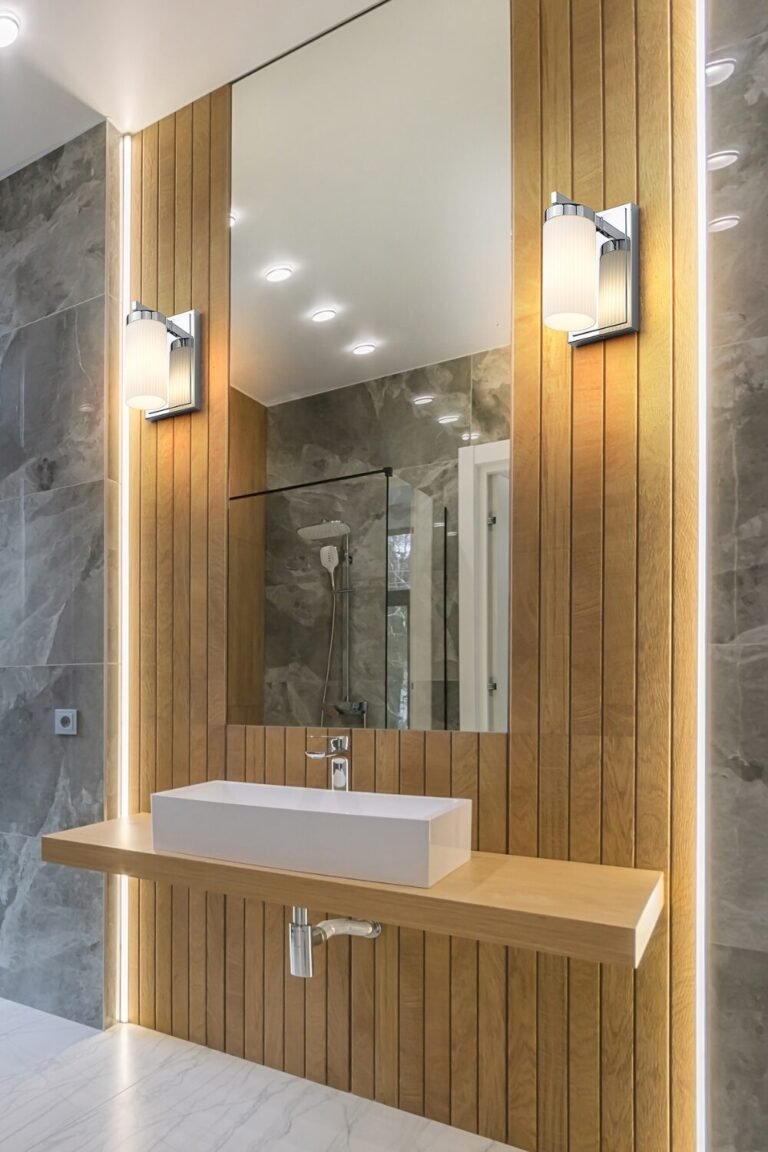
A wall sconce with an adjustable arm solves this precisely. Direct the light toward your book only. When you’re done, fold the arm back and the fixture becomes a soft ambient glow.
Individual control for each side of the bed. No shared lamp, no compromise. Both of you get the light environment you need.
11. A Warm Corner Light to Replace Harsh Overhead Brightness
A floor lamp with a fabric shade placed in an underused corner provides upward-casting diffused warmth that contributes to the room’s overall evening atmosphere without directing light into your eyes.
This type of low warm upward-reflecting light is excellent for the pre-sleep hour. It provides enough ambient glow to move around comfortably while keeping the room well within the low-intensity range your body prefers.
An arched floor lamp over a reading chair creates a perfect pre-sleep reading nook where the light stays exactly where you need it.
12. Candles: Real or LED, for True Pre-Sleep Calm
Candlelight is the oldest sleep-preparation light source in human history. For good reason.
The flickering low-intensity ultra-warm glow of a candle is the opposite of stimulating. Group them in odd numbers on a tray at varied heights for maximum warmth with minimal output.
For those who prefer not to sleep near open flame, flameless LED candles replicate the flicker and color temperature closely enough to deliver most of the same calming effect.
Used in the final 30–60 minutes before sleep, a curated candle arrangement is one of the most effective wind-down tools available.
13. Mirrors That Bounce Warm Light, Not Harsh Light
In a sleep-optimized bedroom, a mirror’s job is to amplify warm low-level light — not bright overhead illumination.
Positioned across from a warm lamp or sconce rather than a harsh overhead fixture, a mirror acts as a secondary source without adding any electrical load. It bounces existing warmth into underlit areas.
A large leaning mirror opposite a bedside lamp, a round mirror above a dresser, and a mirrored tray on a surface each contribute to this effect at different scales.
14. Curtain Layering for Complete Light Control at Every Hour
Sleep quality is directly affected by light in the sleep environment. This makes window treatment choices a genuine sleep-related decision.
Layer sheer curtains closest to the glass for daytime access to soft diffused natural light. Then install blackout curtains on the outer track to provide complete darkness at night.
In the morning, draw both back to allow natural light to wake you gradually. In the evening, close both to ensure no external light sources interfere with your sleep environment.
Full-spectrum light control from a single window. One of the most practical sleep environment upgrades available.
The Setup Mistake That Keeps Bedrooms Overstimulating
There’s a common error worth addressing before you begin. It’s not a bad product choice or a technical installation error.
It’s implementing too many changes simultaneously without a sequential plan.
Introducing five or six new light sources in a single session overwhelms the room rather than calming it. The result is visual complexity, competing intensities, and a room that feels busy rather than still.
Build incrementally. Add one source. Spend a week with it. Observe how the room feels at different times of day and how your pre-sleep experience shifts. Then add the next layer with that information in hand.
Your Best Sleep Is Waiting on the Other Side of Better Lighting
You’ve already taken the steps most people know about when it comes to better sleep. Lighting is the step most people miss entirely.
Your bedroom’s light environment sends signals to your body every single evening. Right now it may be sending the wrong ones. These changes can reverse that.
Start with the dimmer switch. It’s the fastest, cheapest, and most immediately impactful change on this entire list.
Then add one more layer. And another.
The sleep you’ve been working toward might be a few warm bulbs and a dimmer switch away from becoming consistent.