27 Scented Candle Aesthetic Ideas That Interior Designers Actually Use
Disclosure : This post may contain affiliate links or paid partnerships. I may earn compensation if you click a link or make a purchase, at no additional cost to you. See my disclosure for more info.
Your space is almost there.
You’ve got the bones right. The layout. The larger pieces. Maybe even a decent rug.
But it doesn’t feel cohesive. It doesn’t feel finished.
Interior designers will tell you this is extremely common — and they’ll also tell you that the missing element is rarely another piece of furniture.
It’s atmosphere. And the fastest way to introduce atmosphere into any room is scent combined with warm, directional light.
Scented candles do both simultaneously. They’re the most versatile, lowest-cost atmospheric tool available to anyone designing a room without a design budget.
These 27 ideas are pulled directly from what professional stylists and interior designers actually do. Not theory. Applied technique.
1. The Minimalist Marble Tray Grouping
Three candles, three heights, one color family, one marble tray.
Stylists call this the power of odd numbers and material contrast: the organic warmth of wax against the cool polish of stone. White or ivory candles, light cotton or musk scent. This works in almost any residential style.
2. Candle as Shelf Break
A small scented candle placed between books on a shelf acts as a visual rest point — an interruption of pattern that the eye finds interesting rather than distracting.
When lit, the warm light pools between the volumes in a way no lamp can replicate. This is the bookshelf finishing move most people skip.
3. The Tub-Side Spa Setup
Candles along the tub ledge. Eucalyptus. Rolled white towel.
This is a staging technique — used by every hospitality-focused interior designer — for making a functional room feel experiential. Eucalyptus, sea salt, or cool green tea for the scent profile. The setup costs a fraction of the experience it creates.
4. Tapered Candle in Antique Holder
A taper in a brass or copper vintage holder on your dining table is one of the oldest and most effective table-styling tools in existence.
The verticality draws the eye upward. The flame animates the table. The brass or copper metal introduces warmth of tone. Source these secondhand — the quality is often better and the cost is negligible.
5. Windowsill Light Transition
A row of small candles across a window ledge serves two separate purposes: sculptural interest during daylight, and a warm lighting layer at dusk.
The transition from natural light to candle flame is one of the most beautiful domestic light events available to you. Most people never arrange for it deliberately.
6. Scent Rotation by Season
Professional lifestyle designers recommend assigning one fragrance family per season and rotating without exception.
Fresh white flowers and linen in spring. Marine and citrus in summer. Warm spice and caramelized wood in autumn. Resin, pine, and incense in winter.
Over time, the scent rotation becomes your home’s emotional calendar. Each new candle marks a new chapter in how the space feels.
7. Bedside Sleep-Prep Candle
A candle on the nightstand, lit thirty minutes before sleep.
Sleep hygienists and biohackers both endorse this: the dim, warm light reduces melatonin suppression compared to overhead LEDs, and the lavender or chamomile scent actively reduces cortisol levels.
Better sleep through deliberate light and scent design. That’s not soft science — it’s applied neurobiology.
8. Organic Material Cluster
A cutting board or raw wood slab serving as a base for a cluster of pillar candles, surrounded by organic textures — dried wheat, seed pods, rough-hewn stones, bark.
The combination of living wax and inert natural materials creates visual tension and warmth simultaneously. It’s the difference between styled and decorated.
9. Single Sculptural Candle Statement
One overscale candle in a distinctive sculptural vessel on an uncluttered surface.
Stylists call this a “hero object” — a single piece that earns the right to stand alone. The surrounding negative space amplifies rather than diminishes it. Confidence in presentation always registers.
10. Candle-Filled Empty Fireplace
A decommissioned fireplace is a visual liability: it draws the eye to an inactive space. The solution used by designers universally is candles — varied heights, complementary tones, filling the firebox completely.
Lit in the evening, the firebox becomes the room’s primary warm focal point. It performs the role the fireplace was built for, through different means.
11. Tablescape Candle Run
A line of scented candles centered on a narrow tray running the dining table’s length.
This technique is standard in restaurant and event design precisely because it does something overhead lighting cannot: it pulls everyone around the table into a shared warm pool of light. Conversation improves. People stay longer.
12. Entry Hall Fragrance Strategy
The entrance is the room that sets expectations for everything else. Light a scented candle near the door before guests arrive.
Olfactory first impressions form in milliseconds and anchor everything that follows. A warm, deliberate scent at the threshold is not a small thing.
13. The Mirror-Multiplication Trick
A lit candle positioned in front of a mirror produces twice the apparent light and depth.
This is standard practice in small-room design. The technique works in bathrooms, hallways, alcoves — anywhere a room needs visual expansion without physical modification.
14. Apothecary Vignette Shelf
A shelf dedicated to candles, glass jars, botanical matter, and dark glass.
The apothecary aesthetic is rooted in layered curiosity — each object suggests a story, a function, a history. Styled carefully, it becomes one of the most photographable arrangements in any home. The key is density with order, not clutter.
15. Outdoor Candle Extension
Stylists treat outdoor spaces as interior extensions, not separate categories.
Candles in hurricane lanterns on a patio table or exterior step extend the atmospheric logic of the interior into the open air. Citronella adds practical pest control. Double purpose. Single setup.
16. Candle Palette Matching
Color-match candle wax to your room’s dominant tones with deliberate precision.
Terracotta for warm, earthy interiors. Sage for botanical palettes. Deep slate for modern minimal rooms.
This technique — a staple of professional staging — creates visual unity across objects that were purchased separately. Everything looks like it was chosen together, because the color language is the same.
17. Floating Candle Bowl
A shallow bowl with water, petals, and floating candles.
The reflected flame on the water surface introduces movement into what is otherwise a static arrangement. The scent diffuses gently. This is one of the most efficient impact-per-dollar setups in residential styling.
18. Concentration-Zone Desk Candle
A candle designated specifically for your work hours. Rosemary, peppermint, or grapefruit.
The scent functions as a cognitive anchor — your brain associates the fragrance with focused mental activity over time. Lighting the candle signals the start of serious work. The ritual produces the result.
19. Vertical Tiered Tray Display
A tier tray loaded with candles at each level, supported by a small plant and a textural accent.
Designers use tiered surfaces to introduce height variation where floor-to-ceiling options aren’t available. This is the small-space strategy that always pays off.
20. The Dramatic Forgotten Corner
Dark-toned candle. Stack of large-format books. The most ignored corner of the room.
Lit at night, the contrast of dark wax and warm flame is striking. The corner stops being dead space and becomes the room’s most atmospheric point. This is what designers call “activating negative space.”
21. Symmetrical Wall Sconce Installation
Two wall-mounted candle holders installed symmetrically flanking a mirror or architectural feature.
Symmetry creates visual authority — a room reads as planned rather than assembled. Quality wall candle sconces in matte metal carry this principle effortlessly. Guests always remark on them.
22. Cooking-Hour Kitchen Candle
A candle burning on the far counter during meal preparation. Vanilla, spiced apple, or warm herbs.
This changes the experience of cooking at a neurological level — the additional sensory input makes the activity feel richer, more pleasurable, more worth doing well. The kitchen becomes a stage, not just a workspace.
23. Bell Jar Candle Feature
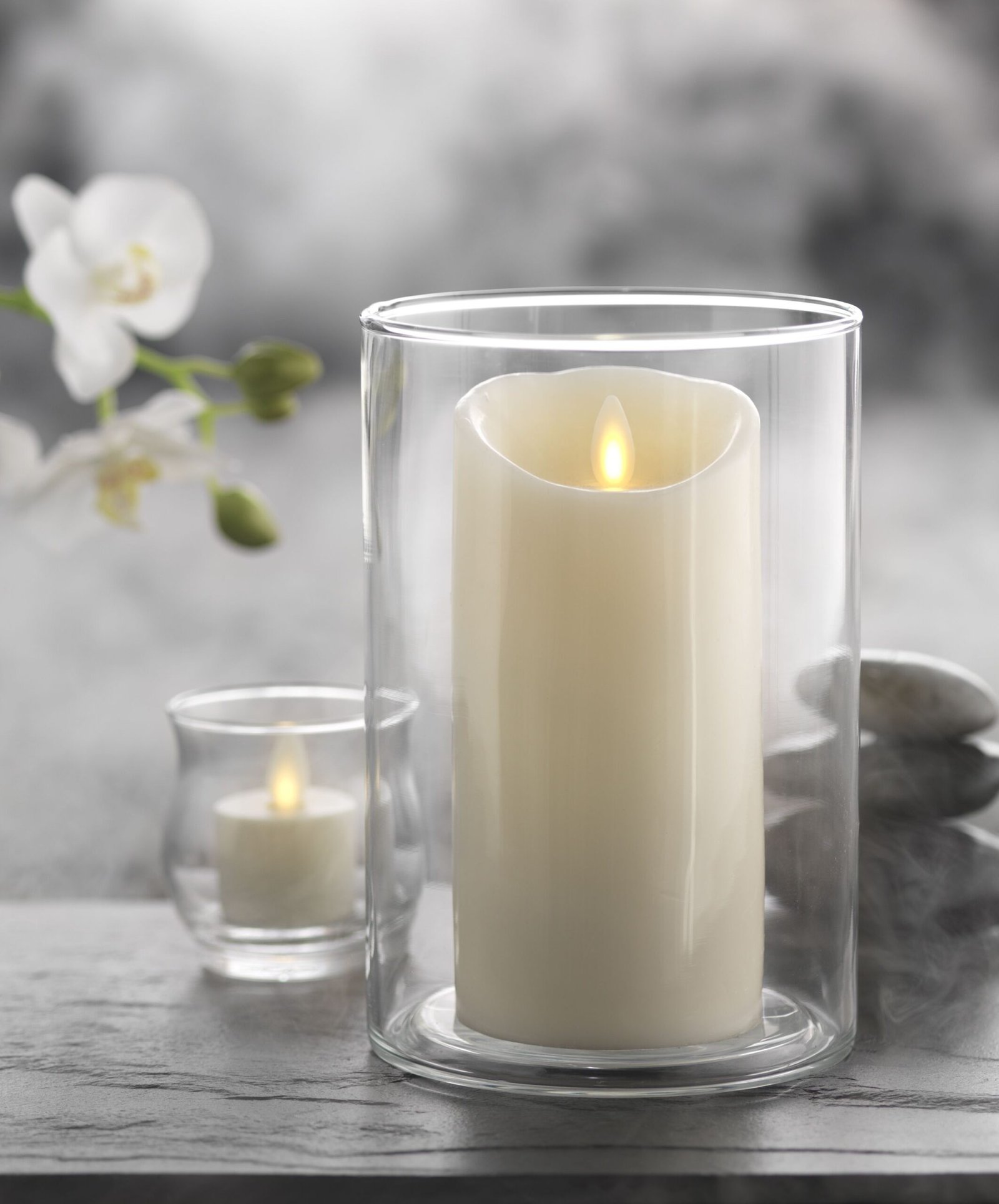
A candle presented beneath a glass bell jar.
Designers use glass domes to elevate everyday objects into visual features. The dome frames the candle, concentrates its scent, and transforms the display surface into a curated moment. It reads as intentional and considered — because it is.
24. Lantern as Candle Architecture
A lantern housing a pillar candle provides structure around the flame — it contains and focuses the light rather than letting it diffuse unguided.
This is why designers favor lanterns for both interior and exterior placements. The contained glow reads as an intentional design decision rather than casual decoration.
25. All-Black Candle Composition
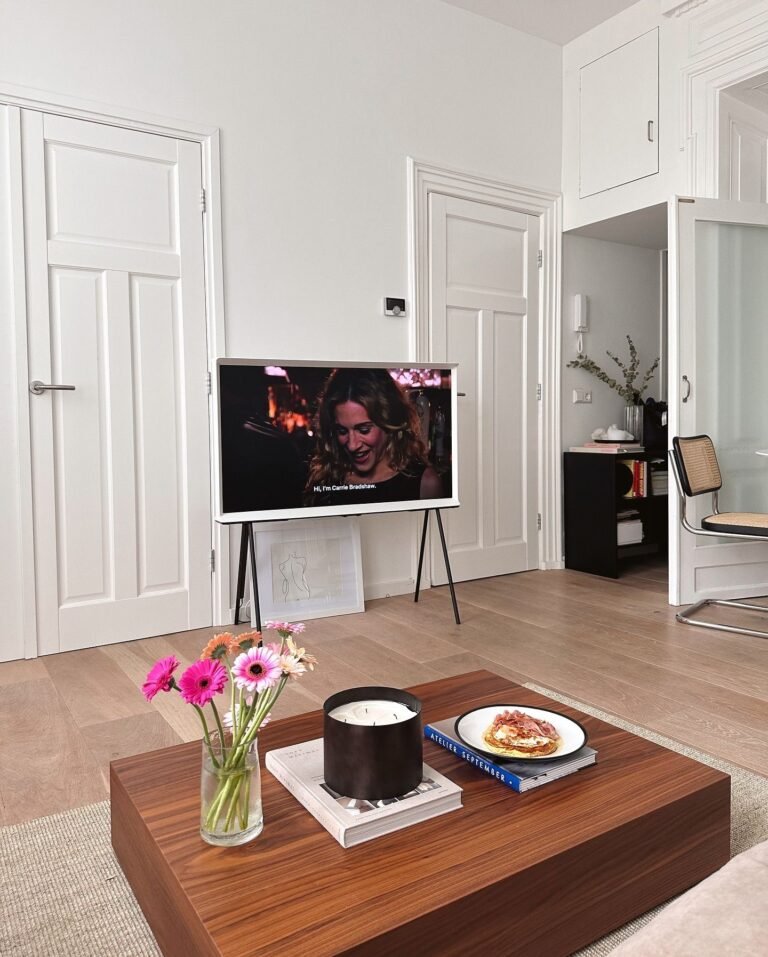
Black wax, black holders, dark tray. Full commitment to a monochromatic palette.
Designers use this approach in rooms where restraint is the design language. Industrial, Japandi, and contemporary minimalist spaces particularly benefit. Pair with oud, charcoal, or dark amber — scents that carry the same visual weight as the palette.
26. Destination Fragrance Shelf
A shelf of candles curated by geographic inspiration.
Mediterranean fig, Moroccan spice, Japanese cedar and cherry, Scandinavian birch.
Stylists call this a “narrative display” — every object tells part of a story. The shelf becomes a conversation in itself.
27. The Gift-Ready Candle Reserve
A small, curated collection of quality candles maintained specifically for gifting.
The person who gives well gives readily — without the panic of last-minute shopping. A quality scented candle is universally appreciated, never redundant, and communicates genuine consideration. Keep it stocked.
The 4 Errors That Undermine Professional Candle Styling
Even good ideas fail when these errors are made.
Error 1: Fragrance conflict.
Multiple scents in one room create olfactory dissonance. One fragrance per room is non-negotiable. If you want more flame, use unscented candles alongside your primary scent source.
Error 2: Unmanaged wick length.
Quarter inch before every burn. Without this discipline, wicks mushroom, produce soot, and create the discoloration inside glass vessels that marks amateur candle care. A wick trimmer is inexpensive. Use one.
Error 3: Poor placement relative to surrounding objects.
Candles crowded by other objects are diminished. Give each candle visual territory — open space that allows it to be seen, appreciated, and smelled without competition.
Error 4: Quality compromise.
Low-grade paraffin candles with petrochemical fragrance blends are counterproductive in a space you care about. Soy wax, coconut wax, or beeswax with phthalate-free fragrance oils are the appropriate choice. The cost difference is small. The cumulative air quality difference is significant.
Scent-to-Function Room Guide
Scent placement is a design decision, not an afterthought.
Living room: Amber, sandalwood, tonka bean, warm vanilla — social, enveloping, welcoming.
Bedroom: Lavender, chamomile, jasmine, neroli — calming, softening, sleep-supporting.
Bathroom: Eucalyptus, sea salt, cucumber, white tea — fresh, clean, restorative.
Kitchen: Lemon, basil, ginger, green apple — bright, light, food-compatible.
Home office: Rosemary, peppermint, grapefruit, cold cedar — alerting, concentrating, purposeful.
Match fragrance to function. A candle that supports what a room is designed to do is a design asset. One that doesn’t is just decor.
Execute One Idea Tonight
You now have 27 professional techniques, four critical errors to avoid, and a precision scent guide.
The only remaining variable is action.
Choose one idea — the one that most directly addresses your current space. Source what you need. Execute it tonight.
Then step out of the room and back in, and register what changed.
Your home should communicate that you made considered choices about your environment. That you pay attention to how a space feels, not just how it looks.
A single, well-placed, correctly chosen candle says exactly that — quietly, persistently, every evening.
Go light something tonight.
🔍 Focus Keyphrase: scented candles aesthetic
📌 SEO Title: 27 Scented Candles Aesthetic Ideas to Elevate Your Space
🔗 Slug: scented-candles-aesthetic-ideas
📝 Meta Description: Discover 27 stunning scented candles aesthetic ideas to transform any room. Easy setups, expert tips, and the right scents for every space. Start tonight.