33 Scandinavian Living Room Ideas to Make Your Home Feel Like a Nordic Retreat
Disclosure : This post may contain affiliate links or paid partnerships. I may earn compensation if you click a link or make a purchase, at no additional cost to you. See my disclosure for more info.
What is it about a Scandinavian living room that makes you want to stay?
It’s not just the look. Plenty of rooms look beautiful but feel hollow.
A well-designed Nordic space does something different. It feels calm the moment you enter it. It feels like the world outside has been turned down a notch. You settle into it. You don’t want to leave.
That quality doesn’t arrive by accident. It’s built from a specific set of decisions made consistently across every element of the room.
Here are 33 of those decisions you can start making right now.
What Furniture Belongs in a Nordic Room?
Ask every piece of furniture whether it earns its keep. In a Scandinavian living room, the answer had better be yes.
1. A low, linen-covered sofa with slender legs sets everything else in motion.
Long proportions. Clean silhouette. Removable, washable covers in natural fabric. Nothing engineered for drama. The sofa is the room’s quiet spine.
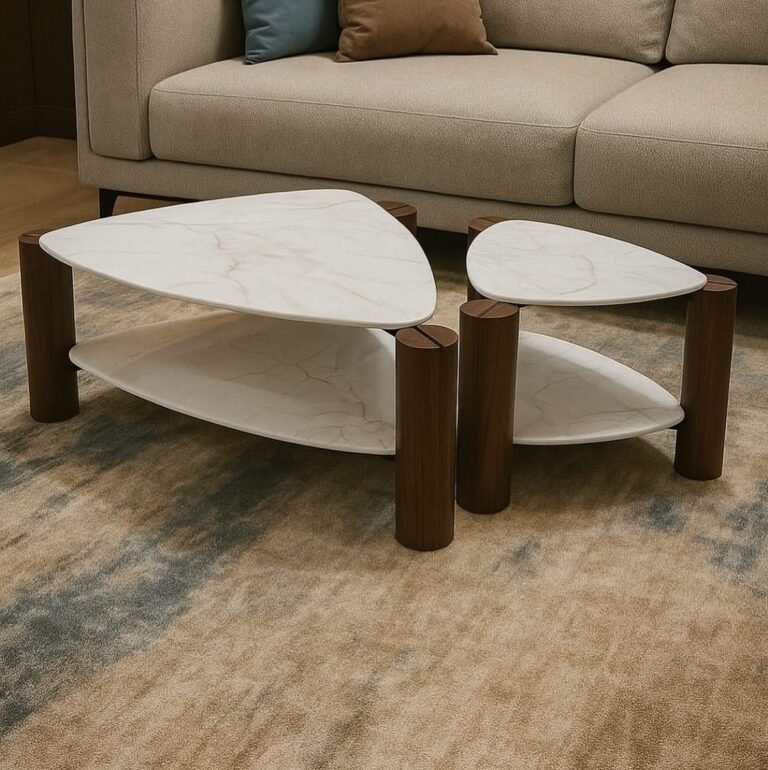
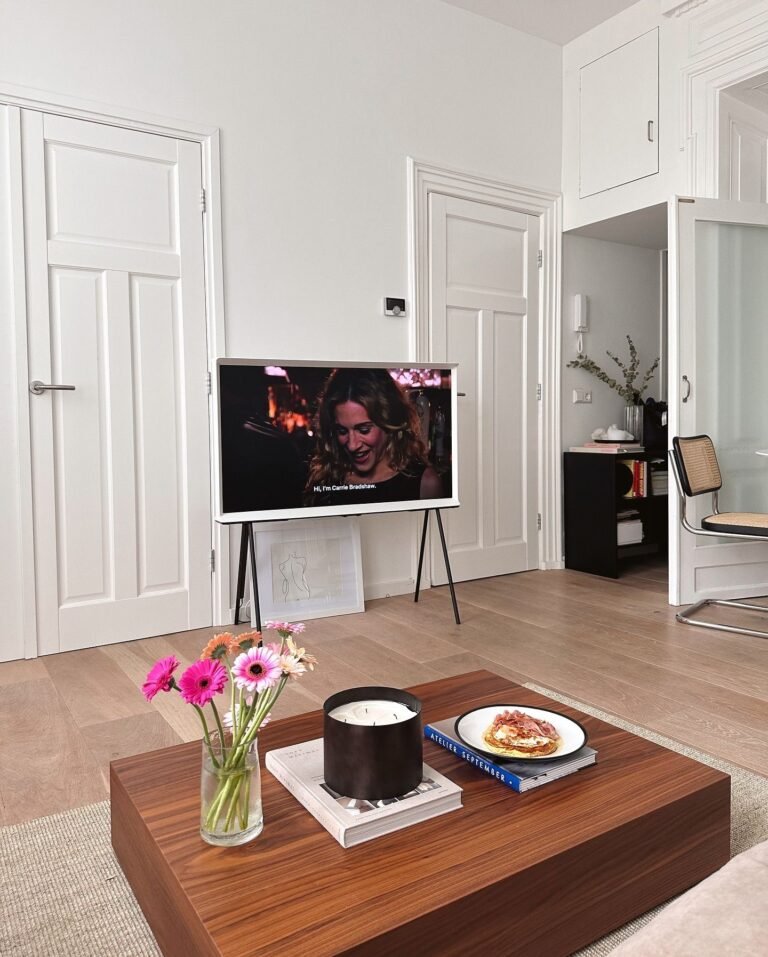
2. A solid hardwood coffee table anchors the seating zone.
Walnut, oak, or ash. Grain visible and celebrated. Rounded edges. The table is lightly finished, not sealed behind heavy lacquer. The wood should feel alive under your hands.
3. One precise accent chair becomes the room’s signature.
Boucé, wool, or leather in a mid-century form. One chair, deliberately unchosen from a pair. A solo chair has a kind of presence that matched furniture cannot replicate.
4. Open shelves replace the traditional bookcase.
Light metal or pale wood frames that reveal the wall behind them. Populated sparingly — a plant, a few books, a ceramic object. What you leave off the shelf matters as much as what you put on it.
5. A floating wall-mounted console replaces the TV stand.
Light wood, minimal hardware, off the floor entirely. The room gains back space it didn’t know it was losing. The visual difference is immediate.
6. Every furniture purchase has to justify itself twice — once for looks, once for use.
A storage bench at the sofa’s end. A stool that becomes a surface. Dual purpose is the Nordic standard.
How Do You Get the Colors Right?
The palette questions are the first ones to settle. Everything else depends on getting them right.
7. Do the whites in your room lean warm or cold?
They should lean warm. Cream. Linen. Soft cotton white. These are whites with a yellow or pink base — whites that say “come in” rather than “keep your distance.”
8. Have you found your greige?
The gray-beige blend that sits perfectly between statement and neutral. On a feature wall or a sofa, greige gives the room weight and warmth without darkness.
9. Where does the earthy color enter?
In a cushion in dusty rose. A throw in sage. A vase in soft clay. Earth tones appear in small doses, supporting the room without claiming attention for themselves.
10. Does the room have three points of black?
A matte black lamp. A dark mirror frame. A charcoal cushion. Three deliberate instances of black sharpen the room without dominating it.
11. If the room feels cold, is the solution texture or color?
Texture. Always texture. Rough wood, nubby linen, woven rattan. The palette stays; the materials warm it up.
How Does Nature Belong Inside?
Nordic interiors have always understood something essential: humans need to live among natural things.
12. Does the room have one plant with genuine scale?
A fiddle leaf fig. A monstera. A snake plant by the window. In a woven seagrass basket. One plant with presence contributes more than a dozen ornamental pots ever could.
13. Is there a tall vase with dried eucalyptus somewhere in the room?
It costs almost nothing. It lasts for months. It perfumes the room and signals the kind of quiet care that makes a house feel like a home.
14. What natural objects have found their way onto the surfaces?
A river stone. Driftwood. A hand-formed wooden bowl. Objects from the natural world carry a weight and authenticity that no manufactured decor can match.
15. Has a wooden tray been used to bring order to the coffee table?
One candle, one plant, one book contained within it. Three objects become one composition. The tray performs the editorial function.
What Makes Nordic Lighting Work?
In Scandinavia, good light is treated as a matter of cultural survival. It should be treated the same way in your living room.
16. Is there a sculptural pendant above the main seating area?
Rattan, paper, or frosted glass. Organic in form. It sets the room’s emotional register from above. The pendant is the room’s first decision and the one that frames all others.
17. Does warmth come from more than one direction?
A floor lamp here. A table lamp there. A sconce on one wall. Nordic light is ambient and multidirectional — never central and harsh.
18. Are candles lit in the evenings?
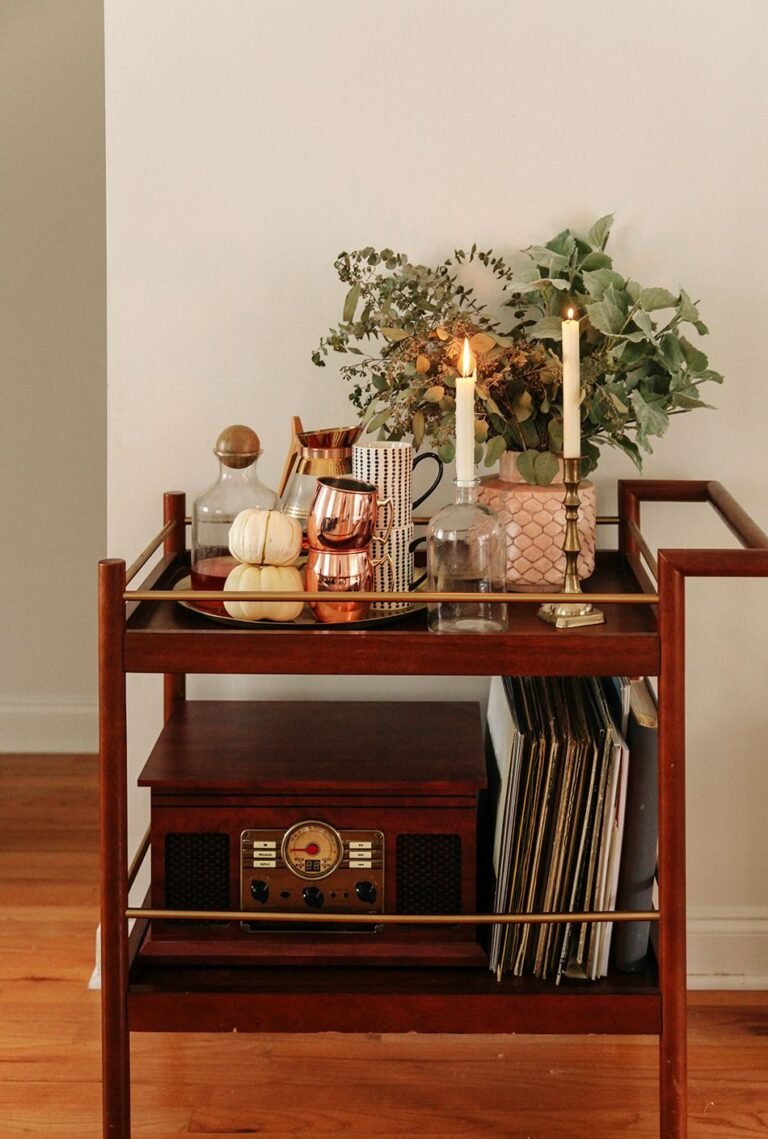
Grouped on a tray. Varying heights. Lit consistently, not occasionally. Candlelight in a Nordic home is not a treat — it’s a baseline.
19. Is natural light being protected?
Heavy drapes are removed. Windows are dressed in the lightest sheer linen or nothing at all. Natural light sweeping across the floor is the best design feature the room has — let it work.
What Belongs on Your Walls?
Walls are not backdrops. In a Nordic room, they participate actively in the design.
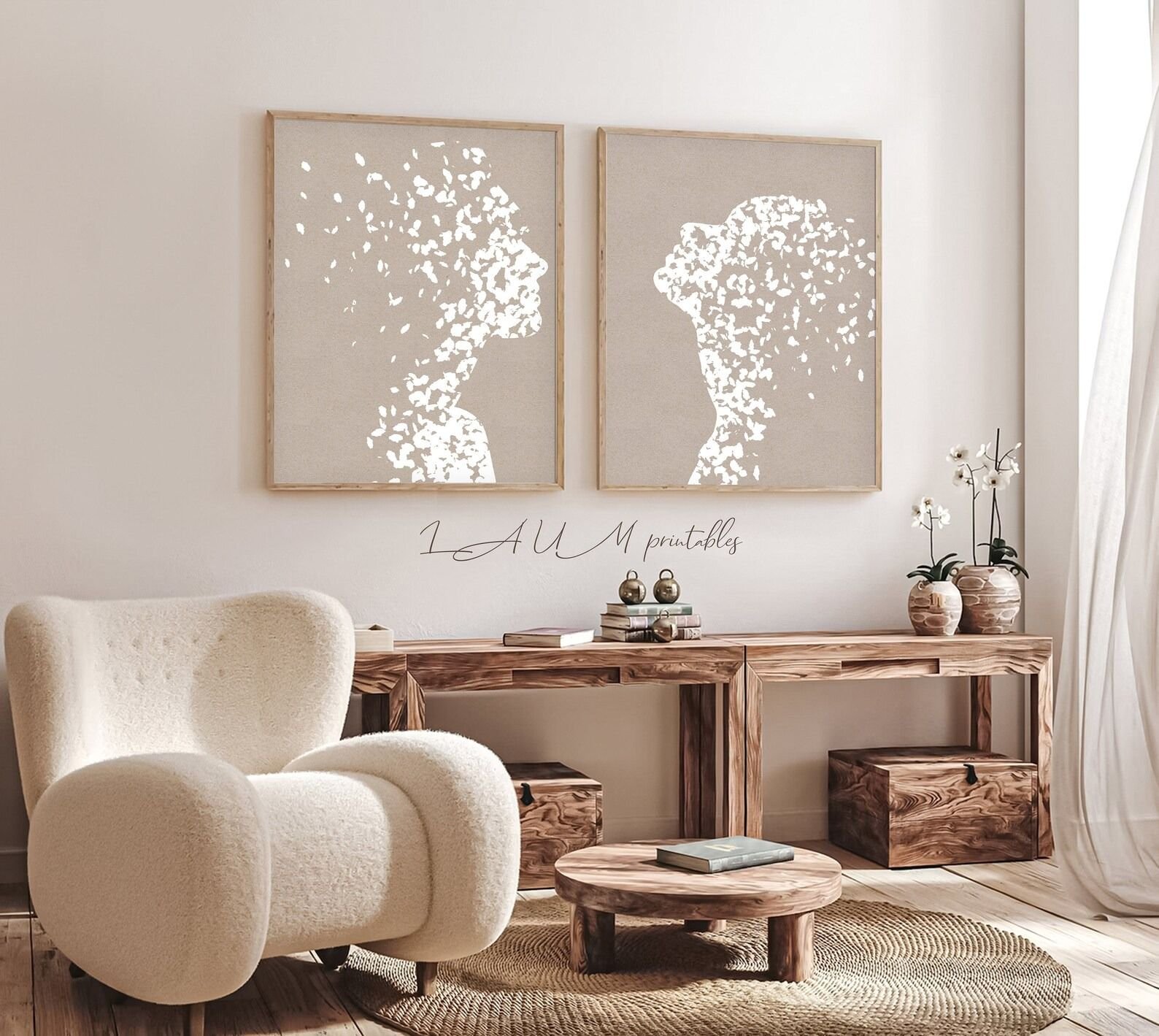
20. Is there a single large-format artwork on the primary wall?
Abstract or minimal. Properly scaled — meaning larger than feels safe. One significant piece creates focus; multiple smaller pieces create noise. The hierarchy should be clear.
21. Has one wall been given texture?
Limewash or microcement on a single accent wall. The effect is living and dimensional — it changes visually as the light moves. No flat paint achieves this.
22. Are picture ledges in place of fixed hooks?
Slim shelves, prints leaned casually. Swap seasonally. Walls that evolve are more interesting than walls that are completed.
What Details Elevate the Room?
The room is the sum of its smallest decisions.
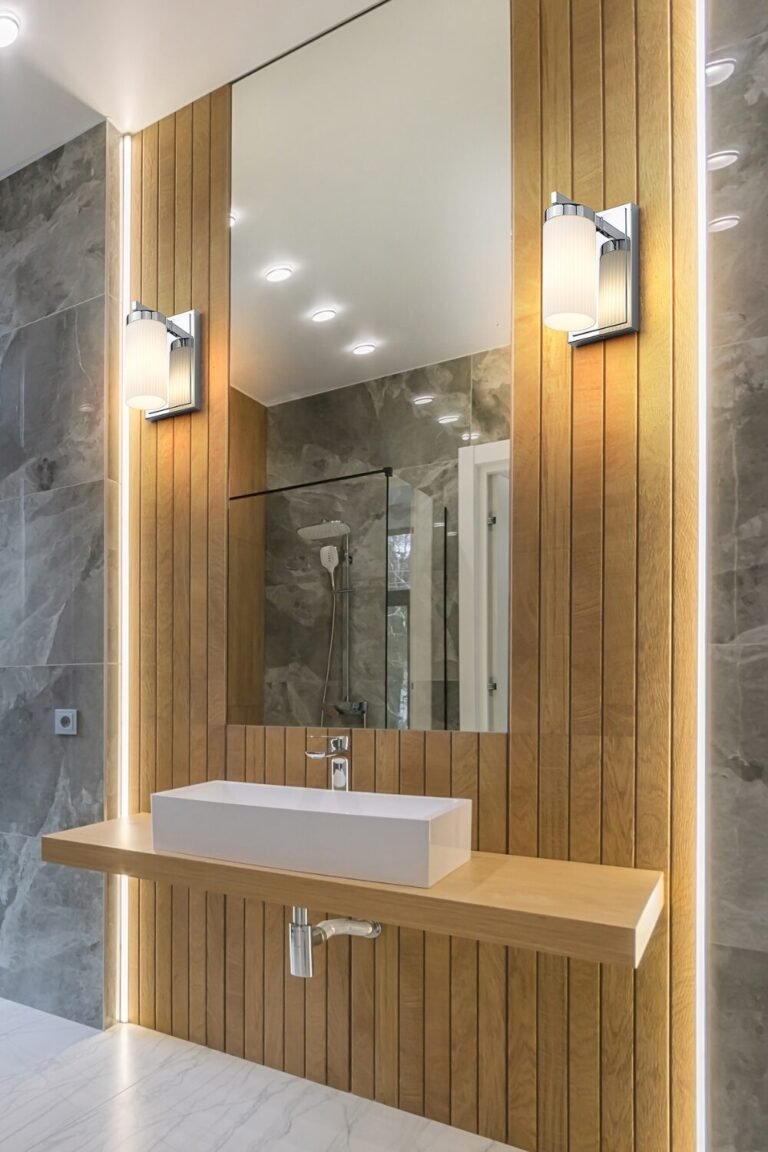
23. Have the hardware and light fittings been updated?
Matte black or brushed brass handles. A new ceiling fixture. This is where the room’s character is decided in the most literal way — and the intervention requires almost no budget.
24. Are the coffee table books chosen for their covers?
Two or three. Beautiful spines and covers. Architecture, travel, photography. The table is not storage — it’s a surface in the composition.
25. Is there a simple round clock doing quiet work on the wall?
Wood or matte black. A clean face. In a Nordic room, the right clock is noticed once and then becomes part of the air of the space.
26. Is the firewood stored as a feature?
A black metal log rack with birch wood stacked neatly. Even if unused, it communicates warmth and tactile interest that no substitute object can.
27. Is there a reading nook?
A chair near the window. A lamp. A sheepskin. Books within reach. Not a designed zone — a claimed one.
28. Is the one-in-one-out rule being followed?
New things require old things to leave. This is the only sustainable maintenance strategy for a room that is meant to breathe rather than accumulate.
29. Does the room have natural scent?
Cedar, pine, bergamot from a soy candle or a reed diffuser. Scent is noticed before anything else in the room. It creates context before a single lamp is seen.
Are the Textiles Right?
Textiles are the room’s tactile argument. Get them right and the room becomes irresistible.
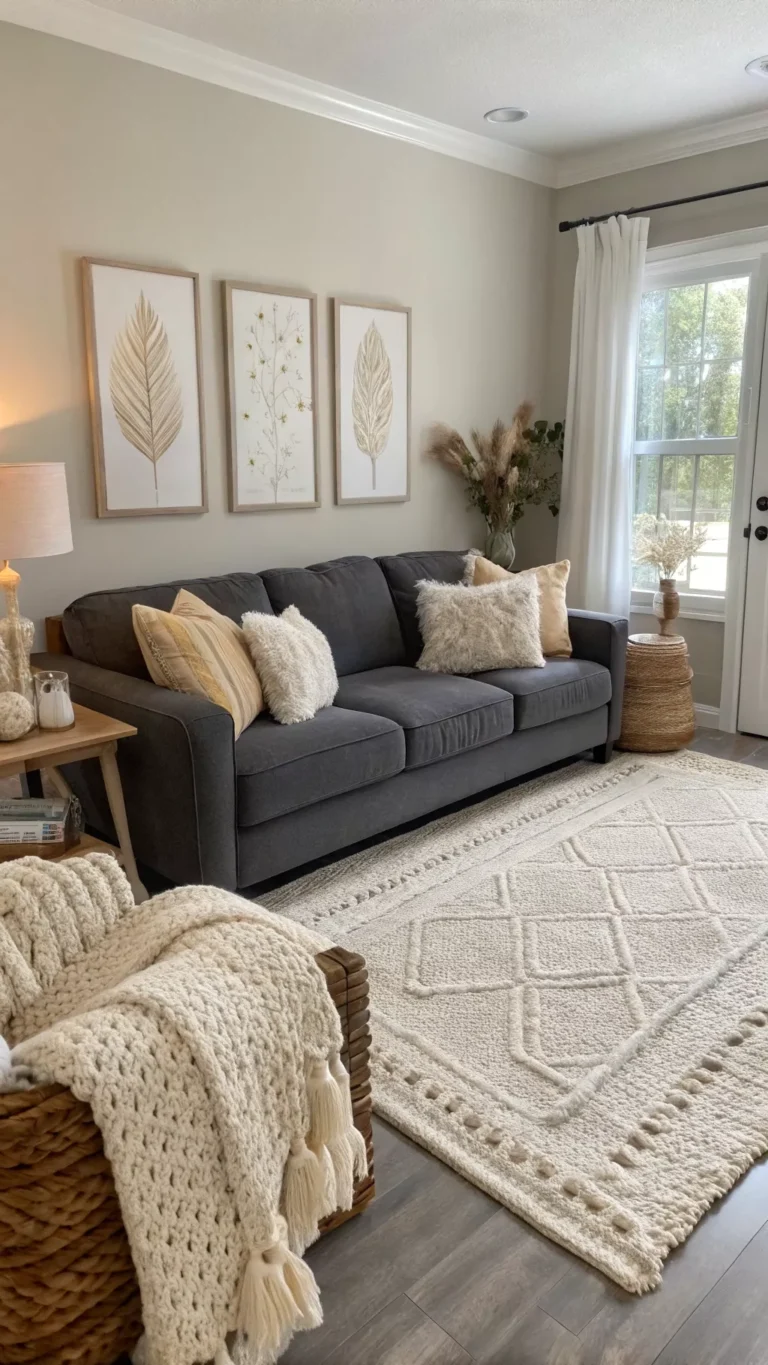
30. Is there a chunky knit throw on the sofa, casually placed?
Not folded. Not placed. Rumpled at one end, as if it belongs to the room’s daily life — because it should.
31. Is there a sheepskin or soft fur falling naturally over the lounge chair?
Draped, not arranged. The distinction is everything. Arranged looks designed. Draped looks lived in. Lived in is the goal.
32. Have the cushion covers been replaced with linen?
Four or five, in a palette that coheres. Linen wrinkles correctly, softens over time, and feels better in the hand than anything synthetic. It is the correct material for Nordic cushions.
33. Is the seating zone defined by a large flat-weave rug?
Jute, wool, or cotton. Bigger than instinct says. Neutral enough to disappear into the palette. A rug that’s properly sized resolves the room rather than merely decorating it.
What’s the One Thing That Undoes All of This?
Rushing.
Trying to complete a Nordic living room all at once produces a room that feels decorated, not designed. The aesthetic is built on restraint practiced over time — not style sourced over a weekend.
Take five ideas. Live with them for a few weeks. Then ask the room what it needs next.
The rooms worth admiring were built this way — by people who learned to trust the process of slow, patient, deliberate addition.
Where Do You Begin?
Right here. With one idea from this list.
Not five. Not ten. One.
Make that change today. Observe how the room responds. Then choose your next move.
The Nordic living room that’s been in your head has a clearer path to reality than you might think. It starts with a single decision, made today.